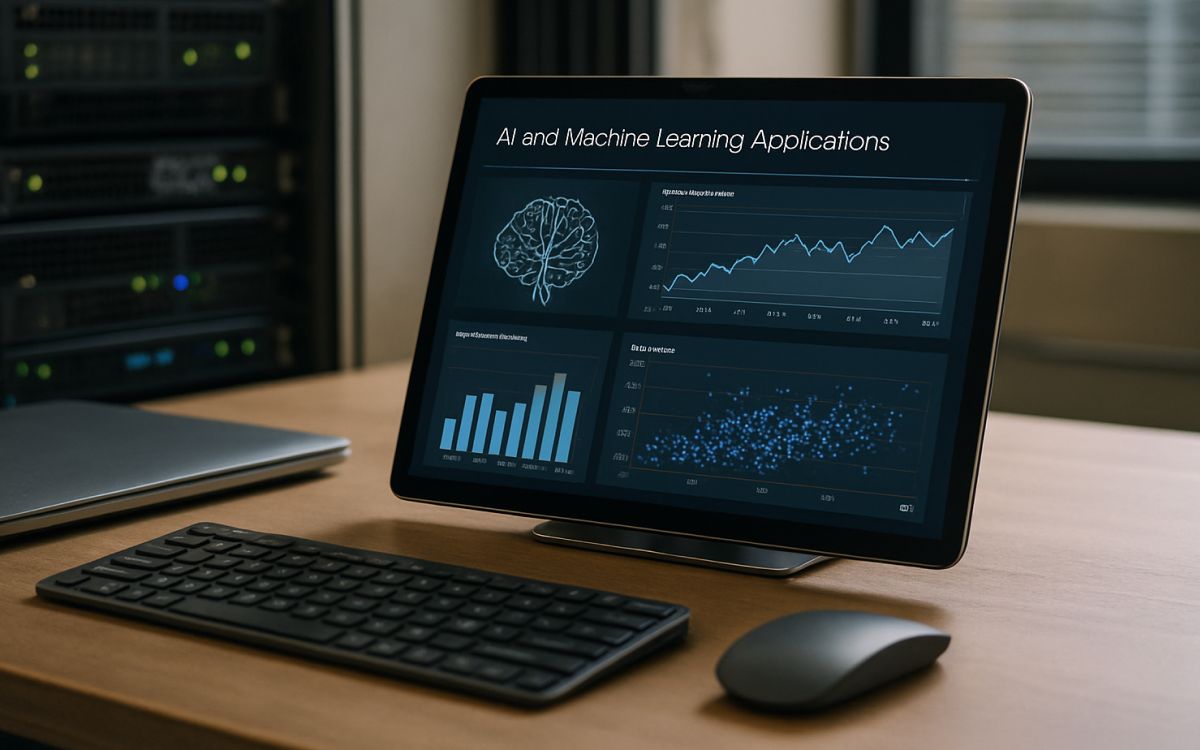
The digital revolution is gathering pace as artificial intelligence and machine learning reshape how data and communications services are delivered. Telecom data centers play a critical role in supporting these technologies, acting as the backbone of automation, analytics, and real-time services. With explosive growth in AI workloads and enterprise demand for low-latency services, telecom operators are investing in next-generation infrastructure, advanced cooling, and smarter operations to stay ahead of the curve.
Rising Demand for AI-Ready Infrastructure
Telecom data centers are adapting to an unprecedented surge in compute requirements driven by machine learning and AI workloads. Studies show that demand for AI-ready data center capacity could grow by more than 30 percent per year through the end of this decade, with advanced AI services accounting for the majority of new computer needs. Traditional data center designs optimized for general processing are being reimagined to support the intense power and networking demands of AI training and inference tasks.
At the heart of this shift is the necessity to accommodate powerful processors, such as GPUs and custom AI accelerators. These components deliver the massive parallel processing required for training large models but require far more power and generate significantly more heat than standard server CPUs. As a result, telecom providers are rethinking electrical distribution, rack design, and overall facility capacity to handle AI workloads efficiently.
Power and Energy Management Challenges
AI and machine learning workloads consume much more energy than conventional IT tasks. Power density per rack has more than doubled in recent years, and many AI clusters now demand tens of kilowatts per rack. This increase has profound implications for data center design, as electrical infrastructure must supply stable power while avoiding outages or expensive grid upgrades.
To manage these demands, operators are exploring hybrid energy strategies, including on-site renewable generation, microgrids with battery storage, and improved connections to national grids. These solutions help ensure stability and continuity, especially as telecom data centers host mission-critical services. Smart energy management systems can now adjust power delivery in real time, balancing load and maximizing efficiency.
Next Generation Cooling Solutions
Cooling has emerged as one of the biggest engineering challenges in AI data centers. Traditional air cooling systems were designed for lower heat densities and struggle to keep pace with the thermal output of dense AI hardware. New cooling strategies are being deployed to maintain performance and hardware longevity.
Liquid cooling technologies are becoming more commonplace in telecom data centers. By delivering coolant directly to or even immersing components in dielectric fluids, these systems remove heat far more effectively than air alone. Advanced configurations like direct-to-chip liquid cooling and hybrid liquid-air systems help support higher rack densities and reduce power spent on temperature control.
In addition to liquid systems, intelligent cooling controls that use AI to monitor temperature, airflow, and equipment utilization help optimize performance and reduce operational costs. Rear-door heat exchangers and dynamic containment systems further enhance cooling efficiency.
Evolving Network and Connectivity Requirements
AI and machine learning workloads require ultra-fast data transfers both within a data center and across facilities. Telecom data centers are upgrading network fabrics to handle terabit per second levels of communication, minimizing latency and optimizing data flow. These upgrades include next-generation optical interconnects and high density cabling that can support the massive bandwidth AI services demand.
Moreover, telecom operators are expanding edge computing capabilities. By placing compute resources closer to end users, operators can support real-time AI inference with minimal delay. Edge nodes integrated with core data centers create a distributed infrastructure that balances performance with efficient use of centralized compute resources.
Leveraging AI for Operational Efficiency
Interestingly, AI tools themselves are transforming how data centers operate. Machine learning algorithms can analyze environmental data, workload patterns, and hardware performance to make real-time adjustments. Predictive maintenance systems, for example, can forecast equipment failures before they occur, reducing downtime and maintenance costs.
AI-driven automation also enhances energy efficiency by optimizing cooling systems, load distribution, and capacity planning without constant human oversight. These capabilities improve reliability while reducing operational expenditure over the long term.
Modular and Flexible Infrastructure
Finally, modular data center construction is gaining traction. Instead of building massive monolithic facilities, telecom operators are deploying smaller, scalable units that can grow alongside demand. Modular designs allow rapid deployment, make efficient use of space, and make future upgrades simpler and more cost effective.
By combining modularity with cloud-native architectures and hybrid cloud strategies, telecom data centers are positioned to serve both traditional connectivity needs and advanced AI services with agility and resilience.
Telecom data centers are undergoing a fundamental transformation to support the rapid rise of AI and machine learning. From power and cooling innovations to networking upgrades and AI-led operational tools, these facilities are evolving into agile, efficient engines ready for the next frontier in digital services. Continuous investment in infrastructure, energy management, and modular design will enable telecom providers to deliver high-performance AI services while meeting the needs of modern business and consumer applications.