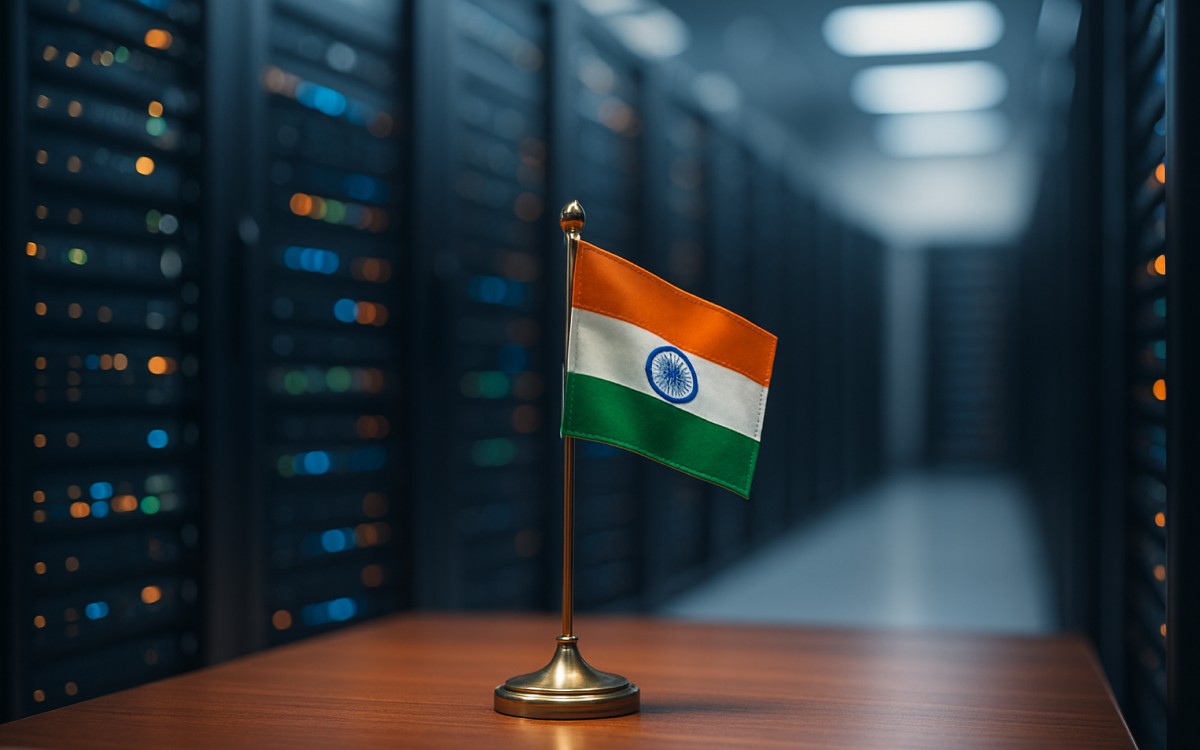
The global demand for data storage is growing at a pace that few industries can match. As businesses, governments, and individuals generate more digital information than ever before, the infrastructure required to store and manage that data has become a critical priority. India is emerging as one of the most attractive destinations for this infrastructure, and the reasons behind this shift are rooted in geography, technology, policy, and a rapidly maturing digital economy.
The Rise of the Data Center in India
A data center is the physical foundation of the digital world. It houses the servers, networking equipment, and storage systems that keep applications running, transactions processing, and information accessible around the clock. As India’s digital footprint expands, the demand for data center capacity within the country has grown substantially.
India currently ranks among the fastest-growing data center markets in the Asia-Pacific region. Major domestic and international operators have significantly increased their investments in Indian data center infrastructure over the past several years, and this momentum shows no signs of slowing. Cities such as Mumbai, Chennai, Hyderabad, Pune, and Delhi NCR have emerged as primary data center hubs, attracting both domestic enterprises and global technology companies looking to establish a stronger presence in the region.
A Young and Digital-First Population
One of the strongest drivers behind India’s rise as a preferred data storage destination is the sheer scale and digital engagement of its population. India has one of the largest internet user bases in the world, and a significant proportion of these users are young, mobile-first, and highly active across digital platforms.
Every search query, video stream, financial transaction, and social media interaction generates data that needs to be stored and processed. As digital adoption continues to deepen across sectors including banking, retail, healthcare, education, and entertainment, the volume of data being generated within India grows correspondingly. Storing this data locally, within Indian data center facilities, is increasingly the preferred and in many cases the required approach for companies operating in the country.
Government Policy and the Push for Data Localisation
India’s regulatory environment has played a meaningful role in encouraging the growth of domestic data center infrastructure. Policy discussions around data localisation, which refer to the requirement that certain categories of data generated in India be stored within the country, have prompted organisations to invest in local storage capacity rather than relying entirely on overseas infrastructure.
The Digital Personal Data Protection Act has brought greater clarity to how personal data must be managed, and compliance with these frameworks requires companies to think carefully about where their data resides. This regulatory direction has created a strong commercial incentive for data center operators to expand their Indian capacity and for international companies to establish a local data storage presence.
Strategic Geographic Advantages
India’s geographic position offers practical advantages for data center operations that are worth noting. Located at a crossroads between East Asia, the Middle East, Europe, and Africa, India is well-positioned to serve as a regional data hub for a broad range of international markets.
Submarine cable infrastructure connecting India to global internet networks has expanded considerably, improving connectivity and reducing latency for cross-border data transfers. This improved connectivity makes Indian data center facilities more attractive to multinational companies that need reliable, high-speed links between their Indian operations and the rest of their global infrastructure.
Additionally, India’s large landmass offers the physical space needed for large-scale data center campuses, which require significant land, power, and cooling infrastructure to operate effectively.
The Growth of Cloud Computing and Enterprise Demand
The rapid adoption of cloud computing across Indian enterprises has been a significant accelerator for data center growth. As companies move away from managing their own on-premise servers and migrate their workloads to cloud platforms, the demand for high-quality data center facilities that underpin these cloud services increases proportionally.
Global cloud service providers have all established or expanded their data center presence in India in recent years. This investment reflects the scale of enterprise demand within the country and the strategic importance of the Indian market for global technology companies.
Small and medium-sized enterprises, which form the backbone of India’s economy, are also increasingly adopting cloud-based tools for their operations, further fuelling demand for locally based data center capacity.
Renewable Energy and Sustainability Commitments
Data centers are energy-intensive facilities, and the sustainability credentials of a data storage hub are becoming an important factor in investment decisions. India’s growing investment in renewable energy, particularly solar power, is making it a more attractive location for environmentally conscious data center operators.
Several data center operators in India have made public commitments to powering their facilities with renewable energy, aligning with global sustainability frameworks and the expectations of international corporate clients who have their own environmental targets to meet.
India’s renewable energy capacity has grown substantially in recent years, and the continued expansion of solar and wind infrastructure across the country strengthens the case for India as a sustainable data center destination for both domestic and international operators.
Talent and Technology Ecosystem
No data center hub can thrive without the human capital to build, manage, and innovate within it. India’s deep pool of engineering and technology talent is a genuine competitive advantage in this regard.
The country produces a large number of technology graduates each year, many of whom go on to work in network engineering, cloud infrastructure, cybersecurity, and data management. This talent pipeline supports the operational needs of data center facilities and also drives the broader technology ecosystem that makes India an attractive location for global technology investment.
India’s emergence as the world’s preferred data storage hub is the result of converging advantages that few other countries can match. A large and digitally active population, supportive policy frameworks, strategic geographic positioning, strong enterprise demand, growing renewable energy capacity, and a world-class technology talent pool all contribute to making India a destination of choice for data center investment. As the global demand for data storage continues to accelerate, India’s role in meeting that demand is set to grow stronger with every passing year.