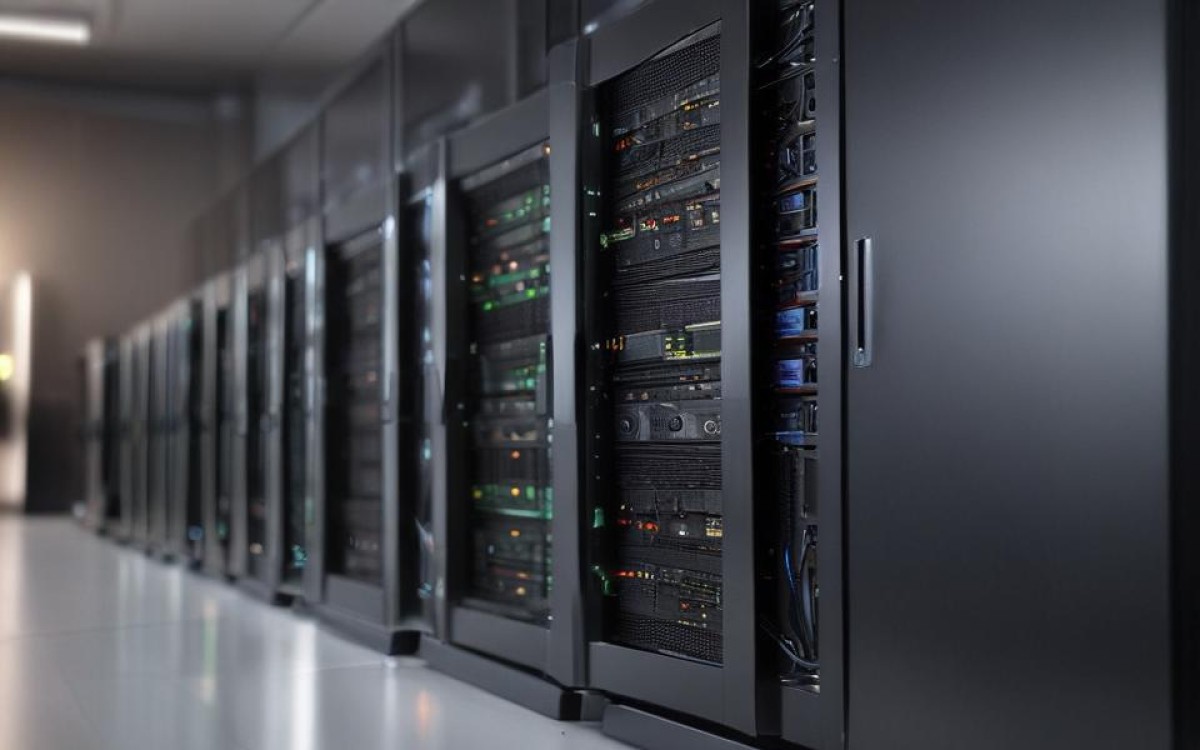
When a hurricane makes landfall or an earthquake shakes the ground, the world barely notices a blip in its internet connection. That’s no accident. Behind the seamless flow of data lies an extraordinary feat of engineering: buildings designed to absorb, deflect, and outlast nature’s most destructive forces. From deep drainage systems to gas-based fire suppression, modern datacentres are purpose-built fortresses. This article explores the layers of design and thinking that keep the digital world running, no matter what.
Site Selection and Geographic Safety
Engineers begin the process by identifying the safest possible location for a new facility. They carefully avoid areas known for high seismic activity, coastal erosion, or frequent seasonal flooding. By studying historical weather patterns and geological data, planners choose regions where the environment is naturally stable. This proactive approach significantly reduces the chances of an external event causing an unplanned outage. Selecting a secure spot for a datacentre is a vital step that dictates the overall resilience of the entire network.
Reinforced Structures and External Walls
Buildings that house sensitive hardware require much more than standard construction techniques. The external shell is often made from thick, reinforced concrete that can withstand high-velocity winds and flying debris. Many structures are designed to withstand the forces of a major hurricane or other powerful storm without showing signs of stress. This protective layer ensures that the internal components remain dry and secure during the most volatile weather. A robust datacentre must be a fortress that can repel physical impacts from the outside world.
Seismic Isolation and Vibration Control
Ground movement can be incredibly destructive to the delicate machinery used for processing and storage. To counter this, many facilities use base isolation technology, which involves placing the building on large shock absorbers. These devices allow the structure to move independently from the earth during an earthquake, absorbing the energy of the tremor. Flexible couplings are also used for pipes and electrical lines to prevent them from snapping under pressure. Protecting the hardware inside a datacentre requires constant attention to these minute engineering details.
Advanced Flood Mitigation and Drainage
Water is one of the biggest threats to electrical infrastructure, making moisture control a top priority. Designers usually elevate the ground floor several metres above the surrounding area to prevent liquid from entering the building. Deep drainage trenches and high-capacity pumps are installed to rapidly move large volumes of rainwater away from the site. Sealed doorways and moisture sensors offer an extra layer of protection against unexpected leaks or rising water tables. Every modern datacentre must remain completely dry to avoid short circuits and hardware damage.
Redundant Power Systems and Fuel
Electricity must flow without interruption, even if the local utility grid fails during a storm. Facilities maintain massive backup generators that can take over the entire load within seconds. These engines are supported by large on-site fuel tanks that hold enough diesel to keep the servers running for several days. Underground bunkers often protect these tanks from fire or physical damage during an emergency. This level of self-sufficiency ensures a datacentre remains operational when the surrounding community is in the dark.
Thermal Management and Cooling Solutions
Internal heat can be just as dangerous as an external fire if the climate control fails. High-performance servers generate significant heat that must be dissipated to prevent the equipment from overheating and melting. Cooling systems are built with multiple backups so that if one pump or chiller breaks, another takes its place instantly. Some locations use advanced liquid cooling or filtered outside air to maintain optimal operating temperatures for the machines. Constant airflow is a requirement for the health of any datacentre globally.
Fire Suppression Without Water Damage
Standard water sprinklers are never used in rooms filled with high-value electronics and active power lines. Instead, these facilities use specialised gas-based systems that can extinguish a fire without leaving any wet residue behind. These gases work by reducing oxygen levels or absorbing heat energy to stop a flame in its tracks. Highly sensitive smoke detectors can detect potential problems before they become fires, enabling immediate action. Keeping a datacentre safe from fire requires a complex and non-destructive technical strategy.
Network Connectivity and Path Diversity
Physical strength alone is not enough if the facility loses its ability to communicate with the rest of the world. Internet connections are brought into the building through multiple different underground paths to ensure constant uptime. If a construction accident or a landslide cuts one fibre-optic cable, the traffic is instantly rerouted to another line. These paths are often separated by hundreds of metres to reduce the risk of both being damaged simultaneously. This diversity allows a datacentre to stay connected during local disasters.
Rigorous Testing and Human Readiness
The most advanced hardware still requires a team of skilled professionals to manage it during a crisis. Staff members participate in regular drills to ensure they can handle everything from a power failure to a security breach. Every backup system is tested on a strict schedule to ensure it will work perfectly when needed. Sophisticated monitoring software provides the team with real-time data on every aspect of the facility’s performance. A well-prepared datacentre relies on this harmony between human expertise and automated systems.
Future-Proofing Through Modular Design
Building for the future means creating spaces that can grow and adapt as technology evolves. Modular designs allow engineers to add more capacity or upgrade security features without disturbing the existing servers. This flexibility ensures that the facility can stay current with the latest safety standards and environmental protections. It also makes it easier to replace aging parts with more efficient and durable versions as they become available. Adapting to new challenges is the final piece of the puzzle for a datacentre.
The engineering and planning that go into these facilities represent a massive investment in global stability. By focusing on physical strength, redundant systems, and human readiness, these hubs ensure that our digital world keeps turning. Even when nature presents its most difficult challenges, these buildings are prepared to stand firm and protect the information that defines our modern lives. The continued evolution of these construction techniques will only make our digital infrastructure more reliable in the years ahead.