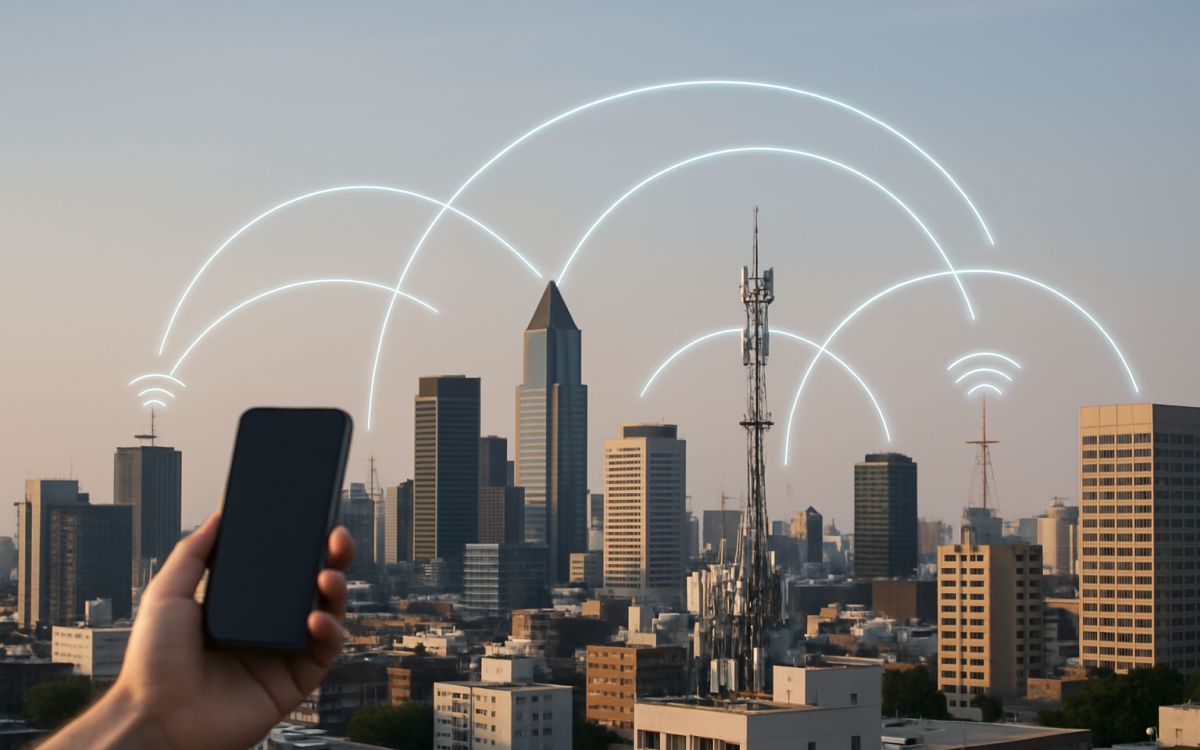
The rollout of 5G networks marks a significant transformation in how connectivity and digital services are delivered across the world. At the heart of this transformation lies the expanding role of data centers. These facilities do more than just store information. They process, manage, and distribute the massive volumes of data that 5G networks generate, making them essential to high-speed connectivity and advanced digital applications. As 5G adoption accelerates, understanding this synergy becomes increasingly important.
What Is 5G and Why It Matters
5G refers to the fifth generation of mobile networks, offering much faster speeds, higher capacity, and significantly lower latency compared with previous technologies. It enables real-time communication for applications such as immersive video, Internet of Things (IoT) devices, autonomous systems, and industrial automation. Global forecasts show rapid growth in 5G subscribers and data usage as more services depend on instant connectivity and bandwidth-intensive workloads.
Core Role of Data Centers in 5G Networks
At its core, a data center is a facility designed to house computing infrastructure, storage systems, networking equipment, and software that support digital services. In a 5G environment, data centers act as the nervous system of the network. They perform several crucial functions:
Processing High-Capacity Data
5G networks generate immense volumes of data from millions of connected devices. Data centers enable near-instant processing and routing of this information so that services respond quickly and reliably. This is essential for use cases like high-definition streaming, smart manufacturing, and real-time analytics.
Supporting Edge Computing
One of the transformative effects of 5G is the growth of edge computing. Instead of sending all data to a central facility, edge data centers are placed closer to users or devices. These smaller sites handle time-sensitive tasks locally, cutting latency and improving performance. For example, in healthcare or autonomous vehicles, split-second decisions rely on computing resources that are physically closer to where data is created.
Enabling Network Slicing and Virtual Services
5G networks can be divided into multiple virtual segments through a technique called network slicing. Each slice offers dedicated resources tailored to specific services, such as critical communications for public safety or high-capacity channels for entertainment. Data centers host the virtual functions and automation systems that make these slices possible, ensuring efficient use of network resources.
Infrastructure and Design Considerations
As the complexity of 5G grows, so do the demands on data center design and operation:
High Density and Cooling Systems
With more data flowing through servers, data centers are adopting high-density infrastructure and advanced cooling solutions. Techniques such as liquid cooling and tailored airflow management help maintain performance while reducing energy use.
Power and Connectivity
5G nodes and associated computing hardware require robust power delivery and high-speed fiber connections. Data centers must ensure continuous power and redundancy to support network demands, often through substations and backup systems designed for reliability.
Security and Management
As data passes through distributed sites and edge points, data centers must incorporate strong security measures to protect sensitive information and maintain network integrity. Network function virtualization and software-defined networking help with centralized management across multiple facilities.
Driving Innovation Across Sectors
The enhanced performance of 5G combined with data center infrastructure unlocks capabilities across many fields:
- Smart Cities
Data centers process sensor information from infrastructure, traffic systems, and utilities, enabling real-time control and efficiency. - Telemedicine and Healthcare
Remote diagnostics and telehealth services benefit from low latency and local processing power. - Manufacturing and IoT
Robotics and automated systems in factories use 5G data links supported by real-time analytics from nearby data centers.
Future Trends and Growth
As 5G adoption increases, forecasts suggest continued expansion of data center networks, both in size and distribution. Edge facilities will proliferate to handle localized workloads, while centralized hyperscale centers will continue to support global services and AI-driven analytics. Overall, data center growth is closely tied to the success of 5G networks and the evolving digital economy.
Data centers are integral to the 5G ecosystem. They deliver the computing power, storage capacity, and networking agility required to support high-speed mobile services and next-generation applications. By bridging the gap between data creation and digital insight, they ensure that the promise of 5G connectivity is realized across industries and use cases. As networks mature and demand rises, the role of data centers in enabling resilient and efficient 5G services will only become more central.