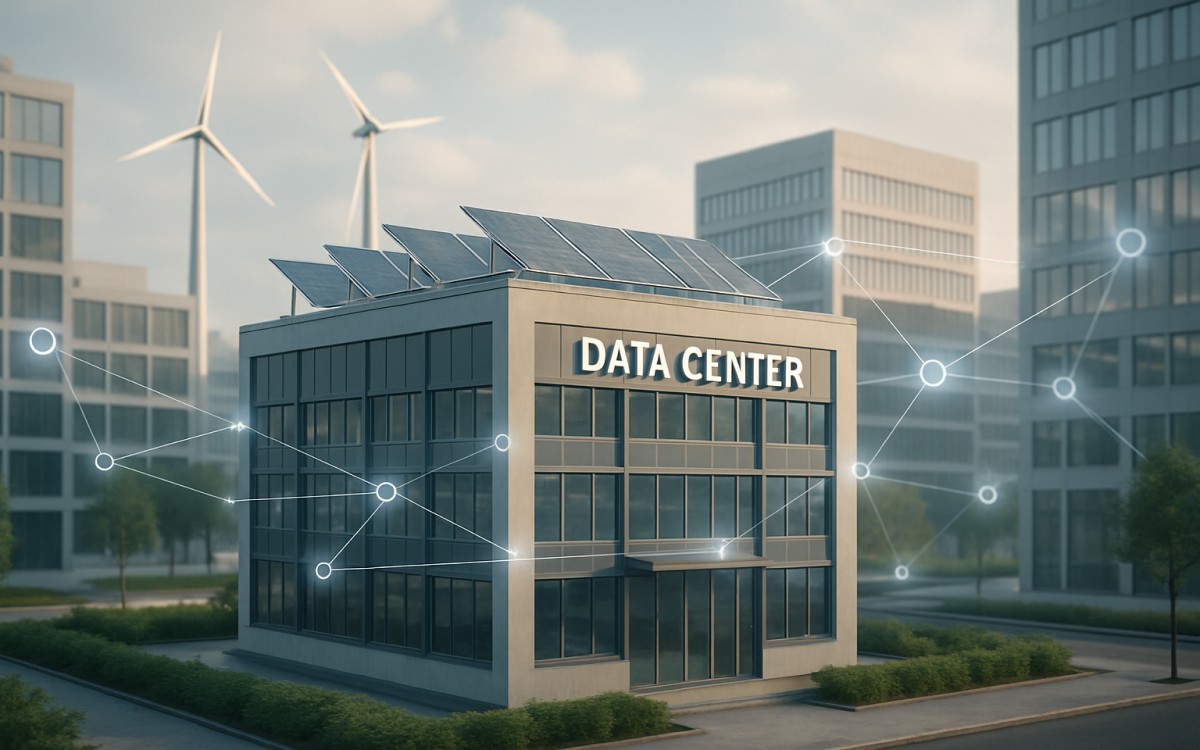
Sustainability has become a practical priority for organisations aiming to reduce environmental impact while maintaining operational efficiency. One area often overlooked is IT infrastructure, which consumes significant energy and resources. Transitioning to a shared data centre offers a structured approach to lowering carbon emissions and improving energy usage. By consolidating resources and leveraging advanced technologies, businesses can adopt greener practices without compromising performance, making shared infrastructure a viable path towards environmentally responsible operations.
The Environmental Impact of Traditional IT Infrastructure
Conventional on-premise server setups often operate below optimal capacity while consuming continuous power. Cooling systems, backup generators, and redundant hardware further increase energy consumption. Such environments typically lack the efficiency standards found in modern facilities, resulting in higher emissions per unit of computing power.
In addition, maintaining individual server rooms requires physical space, materials, and ongoing upgrades. These factors collectively contribute to a larger environmental footprint, especially when scaling operations. Moving away from fragmented systems towards a centralised model reduces these inefficiencies.
What Defines a Shared Data Centre
A shared data centre, often referred to as a colocation facility, allows multiple organisations to house their servers and IT equipment in a professionally managed environment. These facilities are designed to optimise energy use, cooling efficiency, and resource allocation.
Operators invest in advanced infrastructure such as high-efficiency cooling systems, renewable energy integration, and intelligent power management. By distributing resources across multiple users, overall utilisation improves, which directly contributes to lower environmental impact.
Improved Energy Efficiency Through Resource Sharing
Energy efficiency is one of the most significant advantages of shared infrastructure. Instead of each business running underutilised servers, workloads can be consolidated into fewer, more efficient systems.
Facilities are designed to achieve high power usage effectiveness (PUE), a metric that measures how efficiently energy is used. Lower PUE values indicate better efficiency, meaning less energy is wasted on cooling and overhead operations.
Through shared systems, businesses benefit from optimised energy consumption without needing to manage or invest in complex infrastructure independently.
Reduced Carbon Footprint with Centralised Operations
Centralisation plays a key role in reducing emissions. When multiple organisations operate within a single datacentre, redundant systems such as cooling units and power supplies are minimised.
Shared facilities often adopt greener energy sources, including solar or wind power, which may not be feasible for individual businesses to implement on-site. By shifting workloads to such environments, organisations indirectly reduce their carbon footprint.
Transport-related emissions can also decrease, as fewer physical resources and maintenance visits are required compared to managing multiple dispersed server rooms.
Advanced Cooling Technologies Lower Energy Use
Cooling systems are among the most energy-intensive components of IT infrastructure. Traditional setups rely on basic air conditioning, which is often inefficient and inconsistent.
Shared data centres utilise advanced cooling methods such as hot aisle and cold aisle containment, liquid cooling, and free cooling techniques. These approaches reduce the amount of energy required to maintain optimal temperatures.
Better thermal management not only lowers electricity consumption but also extends the lifespan of hardware, reducing electronic waste over time.
Efficient Use of Physical Space and Materials
Operating individual server rooms requires significant physical resources, including construction materials, cabling, and structural support systems. Shared facilities reduce the need for duplicated infrastructure by accommodating multiple users within a single location.
This consolidation leads to more efficient use of space, minimising land and material usage. It also reduces the demand for frequent construction or expansion projects, which are typically resource-intensive.
By sharing infrastructure, organisations contribute to a more sustainable use of physical assets.
Integration of Renewable Energy Sources
Large-scale facilities are better positioned to invest in renewable energy solutions. Solar panels, wind energy contracts, and other sustainable power sources can be integrated into their operations.
Such initiatives help reduce dependence on fossil fuels and stabilise energy consumption patterns. Businesses using shared environments benefit from cleaner energy without having to manage these systems directly.
This shift supports broader sustainability goals while maintaining operational reliability.
Lower Electronic Waste Through Optimised Hardware Use
Electronic waste is a growing concern, particularly in industries reliant on rapidly evolving technology. In traditional setups, outdated equipment is often replaced prematurely due to inefficiencies or lack of scalability.
Shared environments promote better hardware utilisation by distributing workloads effectively. Equipment operates closer to its full capacity, reducing the need for frequent replacements.
Additionally, professional management ensures proper recycling and disposal practices, helping minimise environmental harm associated with electronic waste.
Scalable Infrastructure Reduces Resource Overprovisioning
Planning for future growth often leads businesses to overinvest in hardware that remains underutilised. This overprovisioning results in unnecessary energy consumption and material usage.
Shared data centres offer scalable solutions where resources can be adjusted based on demand. Organisations can increase or decrease capacity without purchasing additional equipment.
This flexibility prevents waste and supports a more sustainable approach to IT expansion.
Enhanced Monitoring and Energy Management Systems
Modern facilities incorporate intelligent monitoring tools that track energy consumption, temperature, and system performance in real time. These insights allow for precise adjustments that improve efficiency.
Automated systems can identify inefficiencies and optimise operations without manual intervention. For businesses, this means reduced energy waste and improved sustainability metrics.
Access to such advanced systems would be costly and complex to implement independently, making shared environments a practical alternative.
Reduced Need for On-Site Maintenance
Maintaining in-house infrastructure requires regular physical intervention, including repairs, upgrades, and monitoring. Each of these activities contributes to energy use and resource consumption.
Shared data centres provide managed services that handle these responsibilities centrally. This reduces the need for frequent travel, additional equipment, and redundant staffing.
Centralised maintenance contributes to lower operational emissions and more efficient resource utilisation.
Supporting Circular Economy Practices
Many shared facilities adopt practices aligned with a circular economy. Equipment is refurbished, reused, or recycled wherever possible, extending its lifecycle and reducing waste.
Components are often upgraded incrementally rather than replaced entirely, which conserves materials and energy. These practices ensure that resources are used more efficiently across their lifespan.
Businesses benefit from these sustainability measures without needing to implement complex processes internally.
Compliance with Environmental Standards
Shared data centres are often designed to meet recognised environmental certifications and standards. These may include energy efficiency benchmarks, emissions targets, and sustainable building practices.
Compliance ensures that operations adhere to established guidelines for environmental responsibility. Businesses leveraging such facilities can align with these standards more easily than managing compliance independently.
This alignment supports organisational sustainability goals while maintaining transparency and accountability.
Cost Efficiency as a Sustainability Enabler
Sustainable practices are more likely to be adopted when they also deliver cost benefits. Shared infrastructure reduces capital expenditure on hardware, cooling systems, and physical space.
Lower energy consumption translates into reduced operational costs, making environmentally responsible choices financially viable. Cost efficiency encourages long-term commitment to greener practices.
This balance between sustainability and affordability makes shared data centres an effective solution for organisations of varying sizes.
Seamless Transition to Greener IT Practices
Migrating to a shared environment does not require a complete overhaul of existing systems. Many providers offer flexible migration paths that allow businesses to transition gradually.
Hybrid models enable organisations to retain certain on-premise components while shifting critical workloads to shared facilities. This phased approach reduces disruption and allows for continuous optimisation.
Gradual adoption ensures that sustainability goals can be achieved without compromising operational continuity.
Shifting to a shared data centre provides a structured and effective way for businesses to reduce their environmental impact. Through improved energy efficiency, reduced resource consumption, and access to advanced technologies, organisations can adopt sustainable practices with minimal disruption. The model supports responsible growth by aligning operational needs with environmental considerations. As digital infrastructure continues to expand, shared facilities offer a practical pathway to achieving greener, more efficient IT operations.