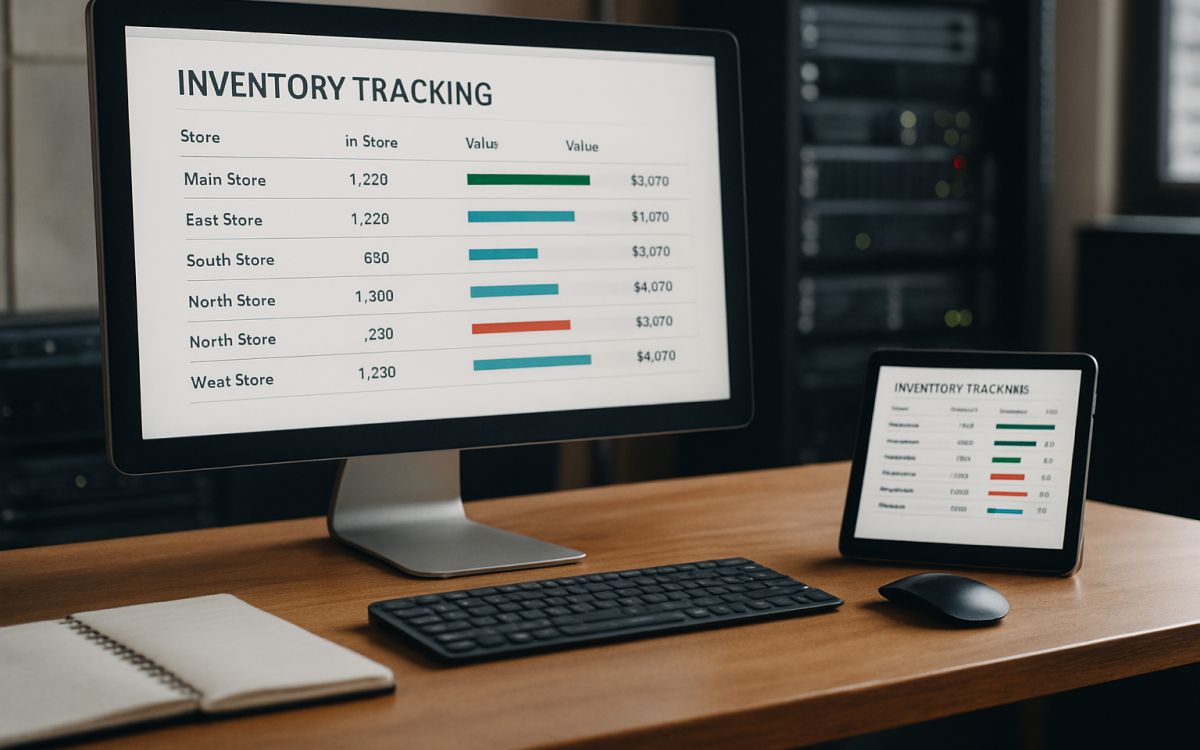
In today’s competitive retail market, inventory management has become more crucial than ever. Retailers must ensure they have real-time visibility into stock levels across all their locations. With the rapid growth of e-commerce and changing consumer expectations, staying updated on inventory status is essential to offer seamless customer experiences. Data centers have emerged as a key enabler of real-time inventory tracking, providing retailers with the infrastructure needed to streamline operations and improve efficiency across multiple retail locations.
The Role of Data Centers in Retail Operations
Data centers play a vital role in managing the vast amounts of data generated by retail businesses. They house the servers, storage systems, and networking equipment that ensure businesses can securely process, store, and access their data. For retailers, these facilities offer an effective solution to manage real-time inventory systems, which require constant updates on stock availability across various locations.
Data centers provide the necessary infrastructure for deploying centralized inventory management systems that synchronize data across all stores, warehouses, and distribution centers. This centralization helps retailers monitor stock levels in real-time, enabling timely decisions based on accurate and up-to-date information.
Real-Time Inventory Tracking: A Game Changer for Retailers
Real-time inventory tracking has become a game changer in retail management. Gone are the days when retailers had to rely on manual stock checks or batch updates to know the status of inventory. Today, data centers enable retailers to monitor and track their products as they move across the supply chain, from suppliers to shelves.
With the use of advanced software and cloud computing, real-time inventory tracking systems can communicate data instantly between retail locations and the data center. This seamless exchange ensures that stock levels are continuously updated, making it easier to identify stock-outs, overstocks, or discrepancies in inventory, reducing human error and operational inefficiencies.
How Data Centers Optimize Inventory Visibility
A major advantage of leveraging data centers for inventory tracking is the ability to gain complete visibility into the supply chain. With a centralized system hosted in data centers, businesses can quickly assess the availability of products at any given time, regardless of location.
Data centers support inventory management platforms that offer features like automated stock replenishment, predictive analytics, and demand forecasting. These systems analyze data across multiple touchpoints, such as sales trends, market conditions, and consumer behavior, helping businesses make data-driven decisions. Retailers can even anticipate potential shortages or overstock issues and adjust their supply chain operations accordingly, ensuring that customers get what they need without delay.
Additionally, data centers help improve the accuracy of inventory data. By integrating Internet of Things (IoT) devices like RFID tags, barcode scanners, and sensors, retailers can collect real-time data at the product level. This enables automatic updates to inventory databases, ensuring that physical stock aligns with digital records, which is crucial for maintaining optimal inventory levels.
Data Centers Support Omnichannel Retailing
With the rise of omnichannel retailing, retailers are expected to offer customers a seamless shopping experience, whether online or in-store. Data centers enable this by facilitating the integration of different sales channels and ensuring that inventory data is updated in real-time across all platforms.
By hosting inventory management systems in a data center, retailers can synchronize their brick-and-mortar stores with e-commerce platforms, mobile apps, and third-party marketplaces. This integration allows for accurate, real-time stock information to be shared across all channels. For instance, a customer purchasing a product online can be assured that it is available in a nearby store for pick-up or delivery, even if the stock in the store is low.
Furthermore, retailers can track the movement of products between online orders and physical stores more effectively. With this level of control, businesses can minimize shipping errors, optimize fulfillment processes, and improve customer satisfaction.
Security and Scalability of Inventory Systems in Data Centers
A critical concern for retailers when managing real-time inventory is the security of their data. Data centers offer robust security measures to ensure the integrity and privacy of sensitive information. From firewalls to data encryption and physical security, these facilities are equipped to protect inventory data from cyber threats, unauthorized access, and breaches.
Scalability is another significant benefit of using data centers. As retail operations expand and product offerings increase, the infrastructure required to manage inventory data grows too. Data centers can easily accommodate increased storage, processing power, and network capacity, allowing businesses to scale their operations without the need for costly infrastructure upgrades.
Whether managing multiple stores, warehouses, or e-commerce platforms, data centers offer the backbone for modern inventory systems, ensuring that retailers remain competitive and responsive to consumer needs. With the ongoing advancements in technology, data centers will continue to be at the forefront of inventory management solutions, driving efficiency and innovation in the retail industry.