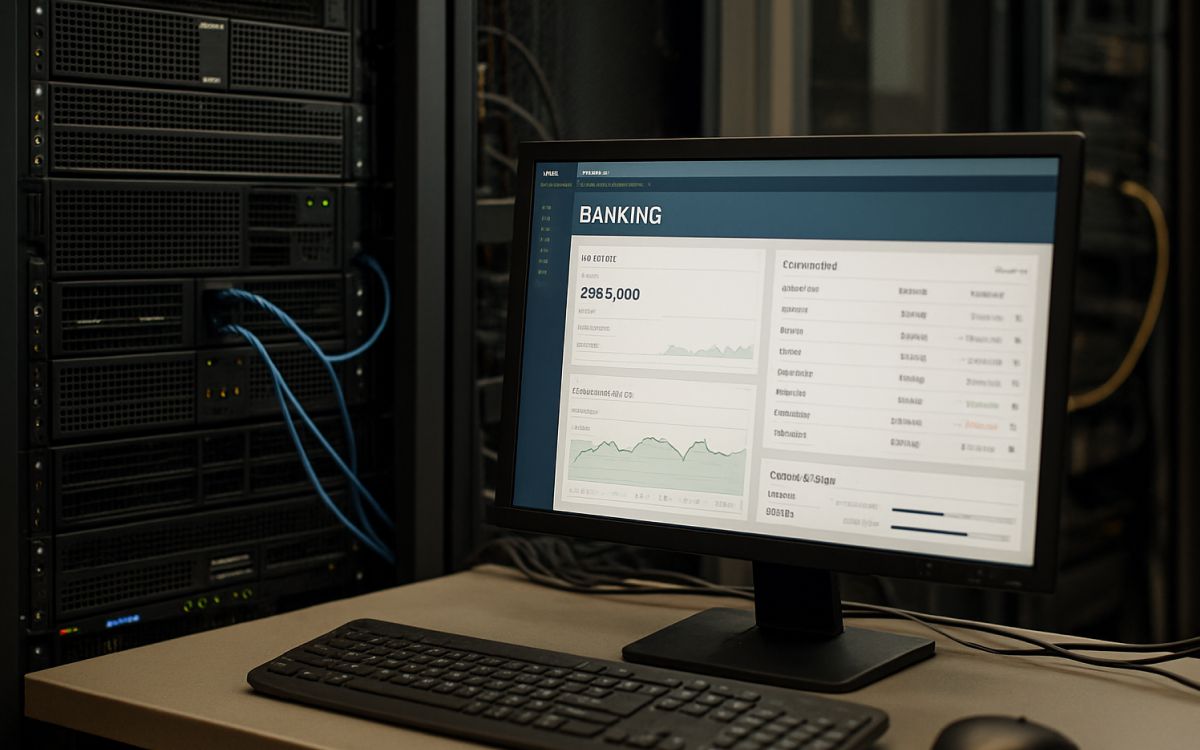
Modern banking services depend heavily on advanced digital systems that allow customers to access accounts, transfer funds, and manage finances anytime. Behind mobile apps and online portals lies core banking infrastructure, which connects branches, customers, and financial operations through centralized technology and secure data center environments. For banks, building user-friendly systems is essential to support growing digital adoption. A well-designed core banking framework focuses on scalability, reliability, data integrity, and efficient data center operations to deliver smooth and secure customer experiences.
What is Core Banking Infrastructure?
Core banking infrastructure refers to the centralized software and hardware systems that allow banks to operate efficiently across multiple branches and digital platforms. Instead of maintaining separate databases at each branch, transactions are processed through a unified system. This enables customers to access services from any location without restrictions.
Every activity, such as account updates, balance checks, fund transfers, and loan processing, depends on this infrastructure. When systems function smoothly, customers experience faster transactions and consistent service across channels.
Why User-Friendly Infrastructure Matters
User friendliness in banking technology is not limited to attractive mobile applications. It begins with backend systems that ensure speed, accuracy, and uninterrupted performance. Customers expect instant responses when making payments or checking account details. Delays or errors can reduce trust and create operational challenges.
A user-friendly infrastructure allows banks to process requests efficiently while maintaining clear communication between applications, databases, and service channels. This improves both customer satisfaction and operational efficiency.
Scalability Supports Growing Demand
Scalability is one of the most important features of modern core banking systems. As digital adoption increases across the country, banks must handle millions of transactions daily without performance issues. Scalable infrastructure allows systems to expand capacity as customer usage grows.
For example, during festive seasons or large online sale events, transaction volumes may rise significantly. A scalable system adjusts resources automatically to manage higher workloads. This ensures customers continue to experience smooth services even during peak usage periods.
Scalability also helps banks introduce new services without rebuilding existing systems. Whether launching mobile banking features or integrating digital payment solutions, scalable infrastructure supports continuous innovation.
Reliability Ensures Continuous Access
Reliability refers to the ability of banking systems to function consistently without interruptions. Customers rely on banking services throughout the day, making downtime highly disruptive. Reliable infrastructure includes backup servers, redundant networks, and automated monitoring systems that prevent service failures.
Banks design systems with multiple layers of protection so that if one component fails, another takes over immediately. This approach ensures uninterrupted access to accounts and transactions. Reliable systems also improve customer confidence because users know services will remain available when needed.
Regular maintenance and performance monitoring further strengthen reliability. Technical teams continuously track system health to identify potential issues before they affect users.
Data Integrity Builds Trust
Data integrity is essential for maintaining accurate financial records. Every transaction must be recorded correctly to ensure account balances remain precise. Even small inconsistencies can create significant complications in financial operations.
Core banking systems use validation checks, encryption, and controlled access mechanisms to protect data accuracy. When customers transfer funds or update account details, the system verifies information before confirming the transaction. This prevents duplication or loss of records.
Maintaining strong data integrity also supports regulatory compliance and audit processes. Accurate data ensures transparency and strengthens trust between banks and customers.
Security as Part of User Friendliness
Although often discussed separately, security plays a major role in user-friendly infrastructure. Customers feel comfortable using digital banking when systems protect sensitive information effectively. Secure authentication, encrypted communication, and continuous monitoring safeguard transactions.
Security measures operate in the background without complicating the user experience. This balance between protection and convenience is essential for maintaining accessibility while ensuring safety.
Integration Across Digital Channels
Modern banking infrastructure must connect multiple service channels, including mobile apps, internet banking platforms, ATMs, branch systems, and centralized data center networks. Seamless integration ensures customers receive consistent information across all touchpoints.
When integration works effectively, actions performed on one channel instantly reflect on others. For example, funds transferred through a mobile app update account balances immediately across all banking platforms through synchronized core systems and secure data center operations.
Future Ready Banking Systems
As technology evolves, core banking infrastructure must remain adaptable. Cloud computing, automation, and advanced analytics are increasingly shaping banking operations. Systems designed with scalability and reliability can adopt these innovations more easily.
Future-ready infrastructure allows banks to introduce improved services while maintaining stable operations. This adaptability supports long-term growth and enhances customer experiences.
Creating a Better Banking Experience
User-friendly core banking infrastructure depends on strong foundations rather than visible interfaces alone. Scalability ensures systems grow with demand, reliability guarantees continuous service, and data integrity protects transaction accuracy. Together, these elements create seamless and dependable banking experiences.
For the country’s expanding digital economy, robust core banking systems play a vital role in delivering efficient, secure, and accessible financial services that meet the expectations of modern customers.