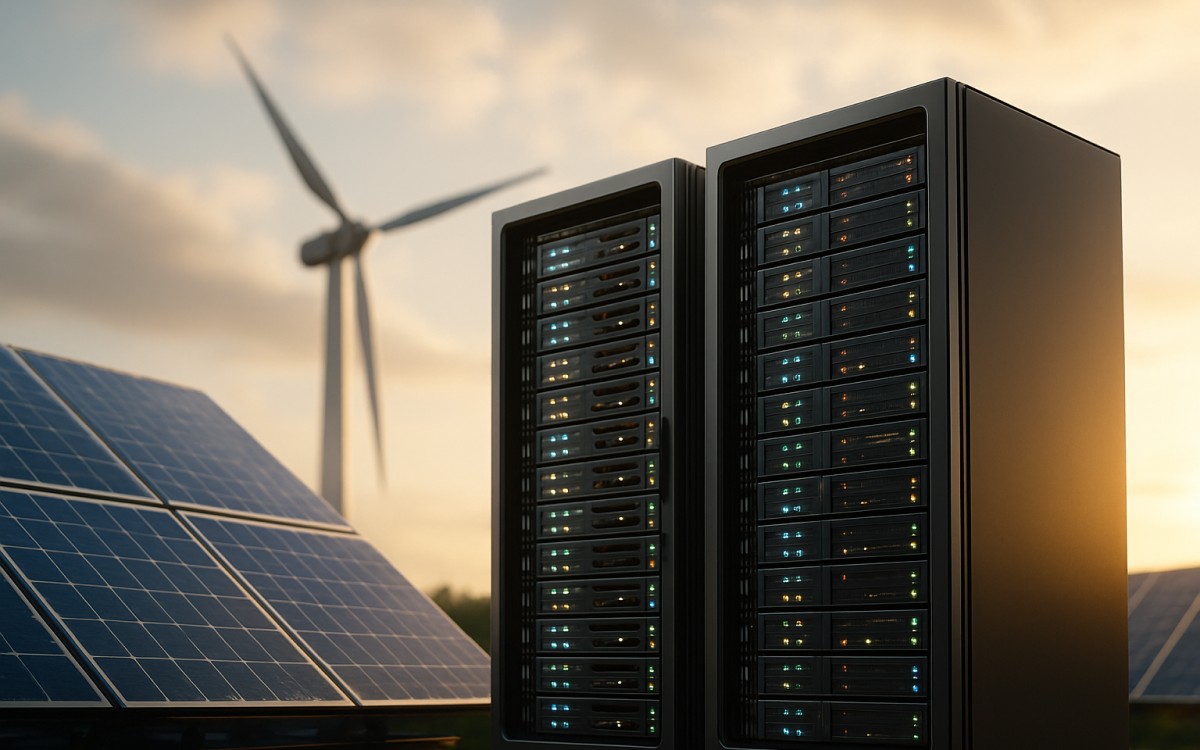
Digital services are used constantly, often without thinking about the infrastructure supporting them. Behind every search, stream, or transaction, large systems are working continuously to process and store information. These systems consume significant amounts of energy, making efficiency a growing focus. Renewable sources are now being integrated to support this demand. Within each datacentre, energy is no longer just consumed but carefully managed, creating a shift towards cleaner and more sustainable operations.
The Growing Energy Demand of Data Centres
Data centres are designed to handle vast amounts of information, requiring continuous power to operate servers, cooling systems, and network equipment. As digital activity increases, the demand for energy rises alongside it. Electricity is needed not only for processing data but also for maintaining stable environments. Temperature control systems run continuously to prevent overheating. This constant energy requirement has encouraged a shift towards more efficient and sustainable power sources.
Traditional energy models are being reassessed as consumption grows. Greater attention is now being given to how energy is generated, distributed, and used within these facilities.
Why Renewable Energy Is Becoming Essential
Sustainability has become an important consideration in infrastructure design. Renewable energy sources such as solar and wind are being adopted to reduce reliance on conventional power systems.
Cleaner energy helps in lowering environmental impact while maintaining operational efficiency. At the same time, renewable sources offer long-term stability by reducing dependency on fluctuating energy supplies. The transition is not only about environmental responsibility. It also supports cost predictability and energy security, making it a practical choice for large-scale operations.
Integration of Solar and Wind Power
Harnessing Solar Energy
Solar energy is widely used to power data centres through on-site panels or external energy agreements. Sunlight is converted into electricity, which is then used to support daily operations. Energy generated during peak sunlight hours can be stored or redistributed, ensuring that power remains available even when production fluctuates. This creates a balanced system where supply and demand are aligned.
Utilising Wind Energy
Wind energy provides an additional source of renewable power. Turbines generate electricity that can be integrated into the overall energy mix of a facility. By combining solar and wind, variability is reduced. When one source produces less energy, the other can compensate, maintaining consistency in supply.
Energy Storage and Backup Systems
Managing Intermittent Supply
Renewable energy sources are naturally variable. To address this, energy storage systems are used to capture excess power and release it when needed. Battery systems play a key role in maintaining continuity. Stored energy ensures that operations are not disrupted during periods of low generation.
Supporting Continuous Operations
Backup systems remain essential even with renewable integration. These systems ensure that data centres can continue operating without interruption. A combination of stored renewable energy and backup infrastructure creates a reliable and resilient power system.
Cooling Systems and Energy Efficiency
Reducing Heat Generation
Cooling is one of the most energy-intensive aspects of data centre operations. Efficient cooling systems are designed to reduce overall energy consumption. Advanced airflow management and equipment placement help minimise heat buildup. This reduces the need for excessive cooling, improving efficiency.
Using Natural Cooling Methods
In some cases, natural cooling techniques are applied. Outside air or water-based systems are used to regulate temperature without relying entirely on mechanical cooling. These methods reduce energy usage while maintaining stable operating conditions, supporting a more sustainable approach.
Smart Energy Management Systems
Monitoring and Optimisation
Energy management systems are used to monitor consumption in real time. Data is collected and analysed to identify areas where efficiency can be improved. Automation allows adjustments to be made instantly, ensuring that energy is used effectively across all systems.
Balancing Supply and Demand
Smart systems help balance energy supply from renewable sources with operational needs. This ensures that power is distributed efficiently without waste. By aligning usage with availability, these systems support both performance and sustainability.
Designing Sustainable Infrastructure
Building for Efficiency
Modern data centres are designed with sustainability in mind from the outset. Layout, materials, and equipment are selected to reduce energy consumption. Efficient designs allow for better airflow, reduced heat generation, and optimised space usage. These factors contribute to lower overall energy requirements.
Supporting Scalable Growth
Infrastructure is built to scale as demand increases. Renewable energy systems are integrated in a way that allows expansion without significant disruption. This ensures that growth can be supported while maintaining efficiency and sustainability.
Environmental and Operational Benefits
Reducing Environmental Impact
Renewable energy helps lower emissions associated with data centre operations. This contributes to a cleaner and more sustainable digital ecosystem. Efficient energy use also reduces waste, ensuring that resources are utilised responsibly.
Improving Long-Term Efficiency
Operational efficiency is improved through reduced energy costs and stable supply. Renewable sources provide consistency, allowing better planning and management. These benefits extend beyond environmental considerations, supporting reliable and cost-effective operations.
Challenges in Renewable Integration
Managing Variability
One of the primary challenges is the variability of renewable energy sources. Production levels can change based on environmental conditions. This requires careful planning and integration of storage systems to ensure reliability.
Infrastructure Adaptation
Existing facilities may need upgrades to support renewable energy integration. Systems must be adapted to handle new energy sources and distribution methods. Despite these challenges, ongoing improvements continue to make integration more effective and accessible.
The Role of Innovation in Renewable Integration
Advancing Energy Technologies
Continuous improvements in energy technology are supporting the integration of renewable sources into data centre operations. More efficient solar panels and advanced wind systems are being developed to increase energy output while reducing space requirements. These improvements allow facilities to generate more power within limited areas, making renewable adoption more practical.
Innovations in battery storage are also enhancing reliability. Energy can now be stored for longer durations and released more efficiently when needed. This helps maintain consistent performance even when renewable generation varies.
Intelligent Infrastructure Development
Infrastructure is being designed to adapt dynamically to changing energy conditions. Systems are capable of adjusting workloads based on energy availability, ensuring that renewable power is used effectively. Artificial intelligence and predictive analytics are often applied to forecast energy demand and supply patterns. This allows better planning and reduces unnecessary consumption. By aligning operations with energy generation, efficiency is improved without compromising performance.
Through these innovations, renewable integration is becoming more refined, enabling data centres to operate with greater stability while maintaining a strong focus on sustainability.
Conclusion
Renewable energy is reshaping how data centres operate by introducing cleaner and more efficient power solutions. From solar and wind integration to smart energy management, each element contributes to a more sustainable system. The role of the datacentre is evolving, moving beyond simple data processing to include responsible energy use. As digital demand continues to grow, the balance between performance and sustainability becomes increasingly important, ensuring that infrastructure remains both reliable and efficient.