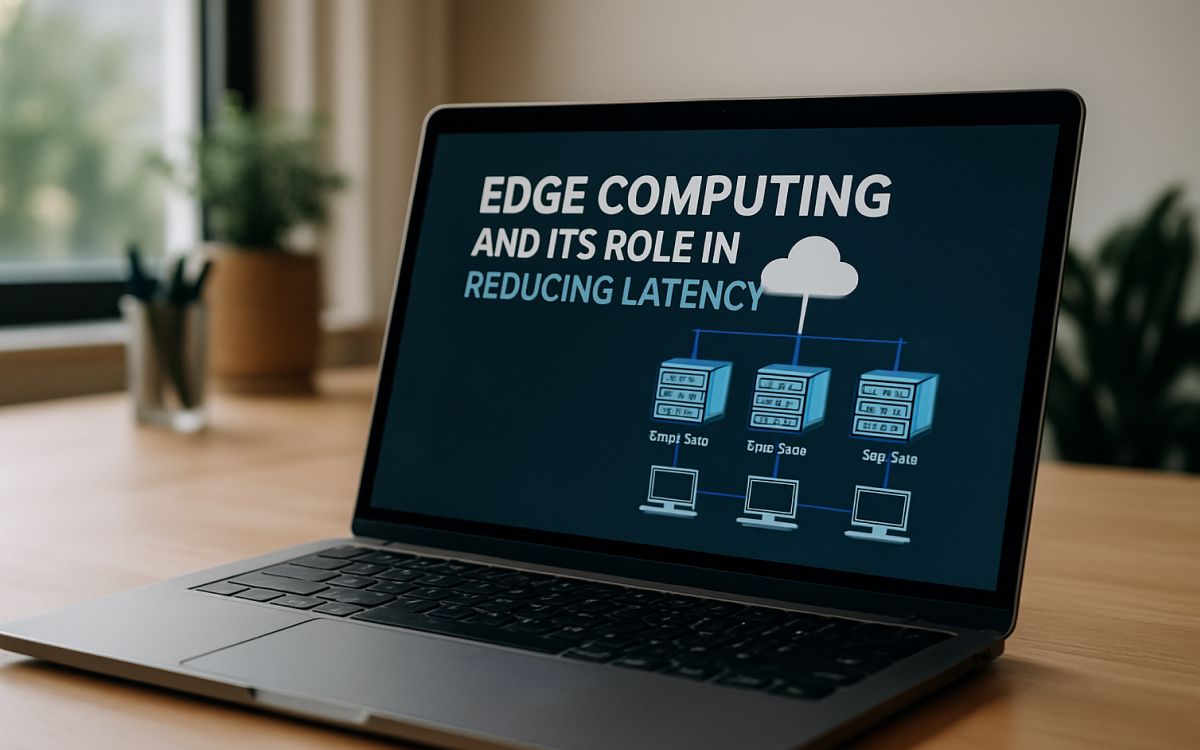
Edge computing has emerged as a vital technology for modern digital systems by bringing computing power closer to where data is created. This shift helps reduce delays in data processing and makes real time applications more efficient and responsive. As more devices connect to networks and demand instant actions, edge computing plays a crucial role in meeting these expectations through faster processing, optimized bandwidth use, and improved user experiences.
What Is Edge Computing
Edge computing is a distributed computing model in which data processing occurs at or near the point of generation, rather than in a distant, centralized cloud. Instead of sending every piece of data long distances, computing resources like servers and storage are placed close to sensors, mobile devices, and smart machines. This method reduces the distance data must travel, minimizing transmission delays and improving application responsiveness.
Why Latency Matters
Latency refers to the time it takes for a data packet to travel from its source to a destination and back again. In traditional cloud computing, data often has to travel to remote data centers before processing and returning to the device. This round trip introduces delays that can be noticeable in applications that need real time responses such as live streaming, interactive gaming, or health monitoring. High latency can result in lag, delayed feedback, and poor user experiences.
How Edge Computing Reduces Latency
Edge computing significantly cuts down on latency by reducing the distance data must travel for processing. When devices or local servers handle computations near the data source, the need for long-distance transmission is eliminated. This leads to faster decision making and more immediate responses in real time applications. For example, latency in traditional cloud systems can often range between 120 ms and 200 ms, while edge computing deployments achieve latencies as low as 10 to 30 ms, highlighting the capability of edge solutions to deliver near-instant results.
Local data processing is a key mechanism for latency reduction. Instead of routing every request to a central server, edge devices preprocess, filter, or analyze data before sending only necessary information onward. This not only speeds up processing but also reduces bandwidth demand on networks. Additionally, edge computing reduces the number of network hops data must make, further lowering delays and improving efficiency.
Applications That Benefit From Low Latency
Edge computing’s latency reduction boosts performance across numerous real world applications. In autonomous vehicles, it enables rapid processing of sensory data such as radar, camera, and LiDAR inputs, allowing vehicles to react instantly to road conditions. In industrial automation scenarios, edge computing processes data from machine sensors on site, helping detect anomalies and trigger safety actions without cloud roundtrips. Healthcare systems with wearable monitors also gain from edge latency improvements, as real time data analysis ensures immediate alerts and interventions.
Content delivery and entertainment services also benefit. Streaming platforms and interactive applications can cache and deliver popular content from nearby edge nodes, reducing buffering and improving user experiences. For mobile applications involving augmented reality or virtual reality, edge computing enables smoother interactions by reducing lag and enhancing responsiveness.
Integration With Emerging Networks and Technology Trends
The rise of next generation mobile networks has accelerated the adoption of edge computing. Technologies like multi access edge computing (MEC) within 5G infrastructure bring computing resources even closer to mobile users, which supports ultra low latency for applications such as remote control systems, robotics, and telemedicine. MEC deployments can reduce end-to-end latency by significant margins compared with traditional cloud setups, reinforcing the value of localized processing in latency sensitive environments.
Benefits Beyond Latency
While lowering latency is a central advantage, edge computing also offers improved bandwidth efficiency, better reliability, and enhanced data privacy. By filtering and processing data locally, networks are less burdened by large data transmissions, which can lower costs and reduce congestion. Local processing ensures that applications continue to operate even when connectivity to central servers is interrupted, enhancing resilience. Additionally, processing sensitive data near its source can reduce exposure during transmission, which strengthens privacy protections.
Edge computing is transforming how data is processed by placing computing capabilities closer to where information is generated. This significantly reduces latency, enabling real time functionality in critical applications and improving speed, efficiency, and user satisfaction. As connectivity infrastructures evolve and the number of connected devices grows, edge computing will continue to play an essential role in delivering scalable, responsive digital experiences.