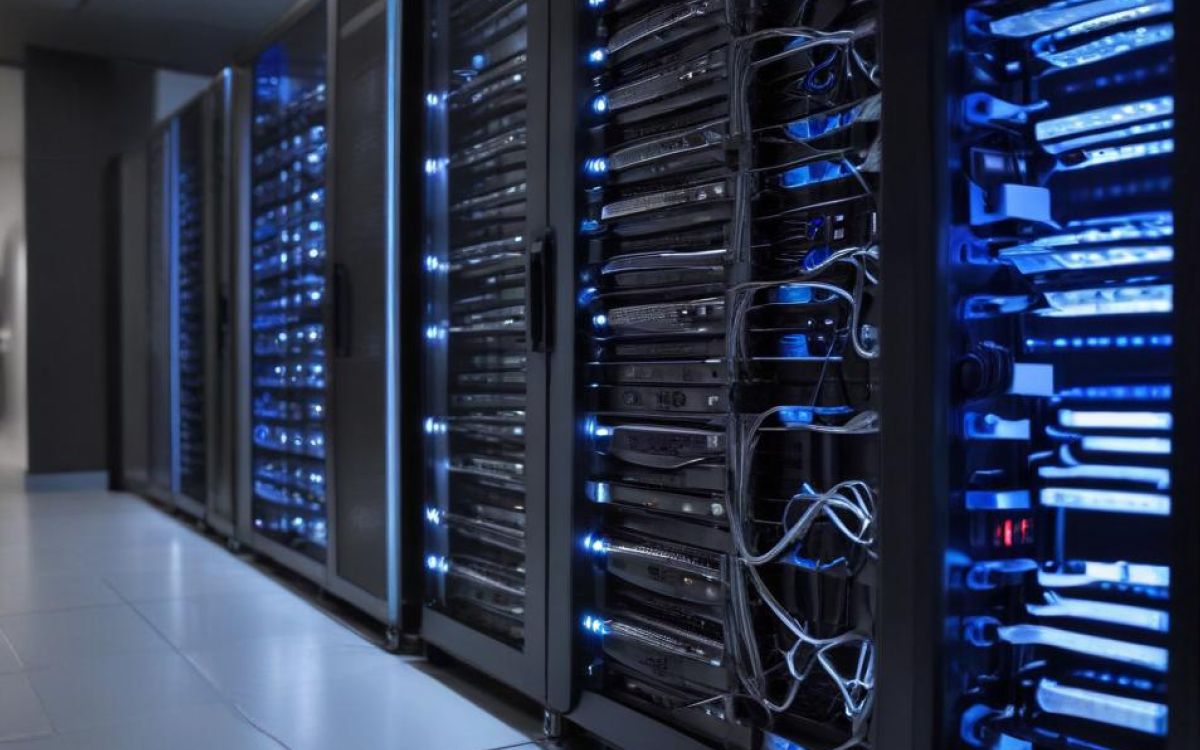
Data centers play a crucial role in modern business operations, providing secure environments for servers, storage systems, and networking equipment. Businesses rely on data centers to ensure continuous uptime, data protection, and efficient power usage. Choosing the right data center tier is essential for aligning operational needs with budget and performance expectations. Tier levels classify data centers based on infrastructure design, redundancy, and availability, helping companies select facilities that meet their specific requirements and risk tolerance.
Tier I Data Centers
Tier I data centers represent the most basic infrastructure level. These facilities offer a single path for power and cooling, with minimal redundancy. They are suitable for small businesses or organizations with limited IT demands and lower tolerance for downtime. Tier I data centers provide an expected uptime of 99.671%, equating to roughly 28.8 hours of downtime annually. While cost-effective, they carry higher risk in case of power or equipment failures due to the lack of backup systems.
Tier II Data Centers
Tier II data centers enhance reliability by incorporating redundant components, such as additional power and cooling equipment. Unlike Tier I, they have partial backup systems, reducing the likelihood of downtime caused by equipment failure. Expected uptime for Tier II facilities is 99.741%, which translates to approximately 22 hours of downtime per year. They are ideal for medium-scale enterprises seeking a balance between cost efficiency and operational continuity, providing improved protection against minor disruptions.
Tier III Data Centers
Tier III data centers are designed for high availability and fault tolerance. They feature multiple power and cooling distribution paths, although only one is active at a time. Redundant components allow maintenance and repairs without impacting operations, making these facilities highly reliable. The expected uptime for Tier III data centers is 99.982%, equivalent to roughly 1.6 hours of downtime annually. Organizations with critical IT workloads or e-commerce platforms benefit significantly from Tier III facilities due to their resilience and scalability.
Tier IV Data Centers
Tier IV data centers represent the pinnacle of reliability and redundancy. They are fully fault-tolerant, featuring multiple active power and cooling paths and components. Even during equipment failures or planned maintenance, Tier IV data centers maintain uninterrupted operations. Expected uptime reaches 99.995%, or approximately 26 minutes of downtime per year. This tier is ideal for enterprises handling highly critical data, including financial services, healthcare, and cloud service providers. Though expensive, Tier IV data centers provide maximum assurance of continuous operations.
How Data Center Tiers Work
Data center tiers work by defining levels of infrastructure redundancy, system availability, and fault tolerance. Each tier increases in complexity and reliability, starting from Tier I with a single path for power and cooling, up to Tier IV, which offers fully redundant systems. Higher-tier facilities invest in additional backup generators, cooling units, uninterruptible power supplies (UPS), and advanced monitoring systems to ensure minimal service interruption. Businesses select tier levels based on operational priorities, budget, and the critical nature of hosted workloads.
Key Considerations When Choosing a Data Center Tier
When selecting a data center, businesses should consider factors such as uptime requirements, cost, scalability, and risk tolerance. Lower-tier facilities are more affordable but carry higher downtime risks, while higher-tier data centers provide superior reliability at a premium. Other considerations include physical security, compliance with industry standards, and proximity to network hubs for faster data transfer. Aligning tier levels with operational needs ensures optimized performance, reduced downtime, and protection of vital IT assets.
Data center tiers provide a clear framework for evaluating infrastructure reliability and redundancy. From Tier I’s basic setup to Tier IV’s fully fault-tolerant design, each level offers distinct benefits suited to different business requirements. Selecting the right tier ensures operational continuity, safeguards data, and supports the smooth functioning of critical IT workloads. Companies can make informed decisions by considering uptime expectations, backup systems, and the scale of their operations when choosing an appropriate data center facility.